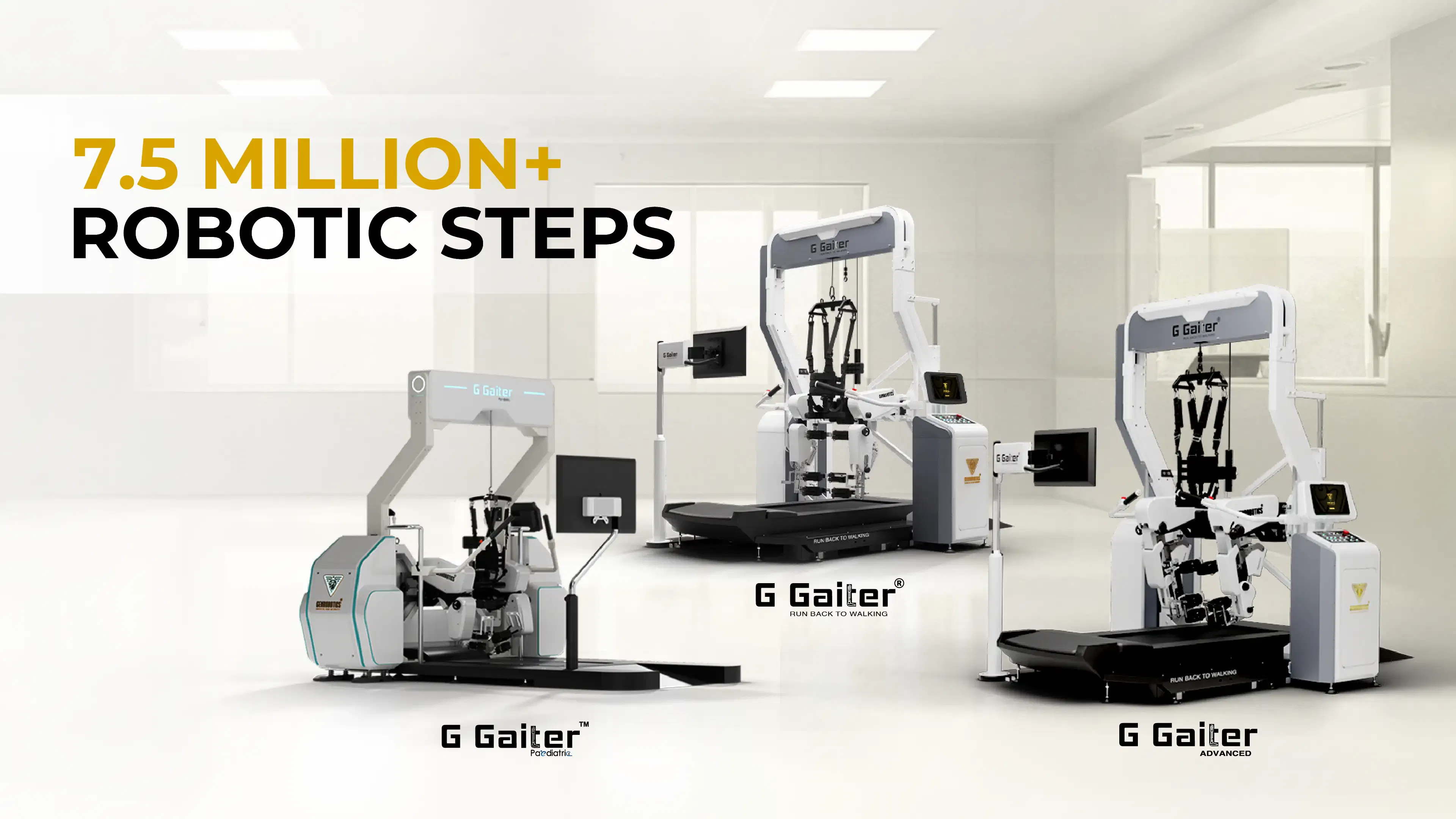
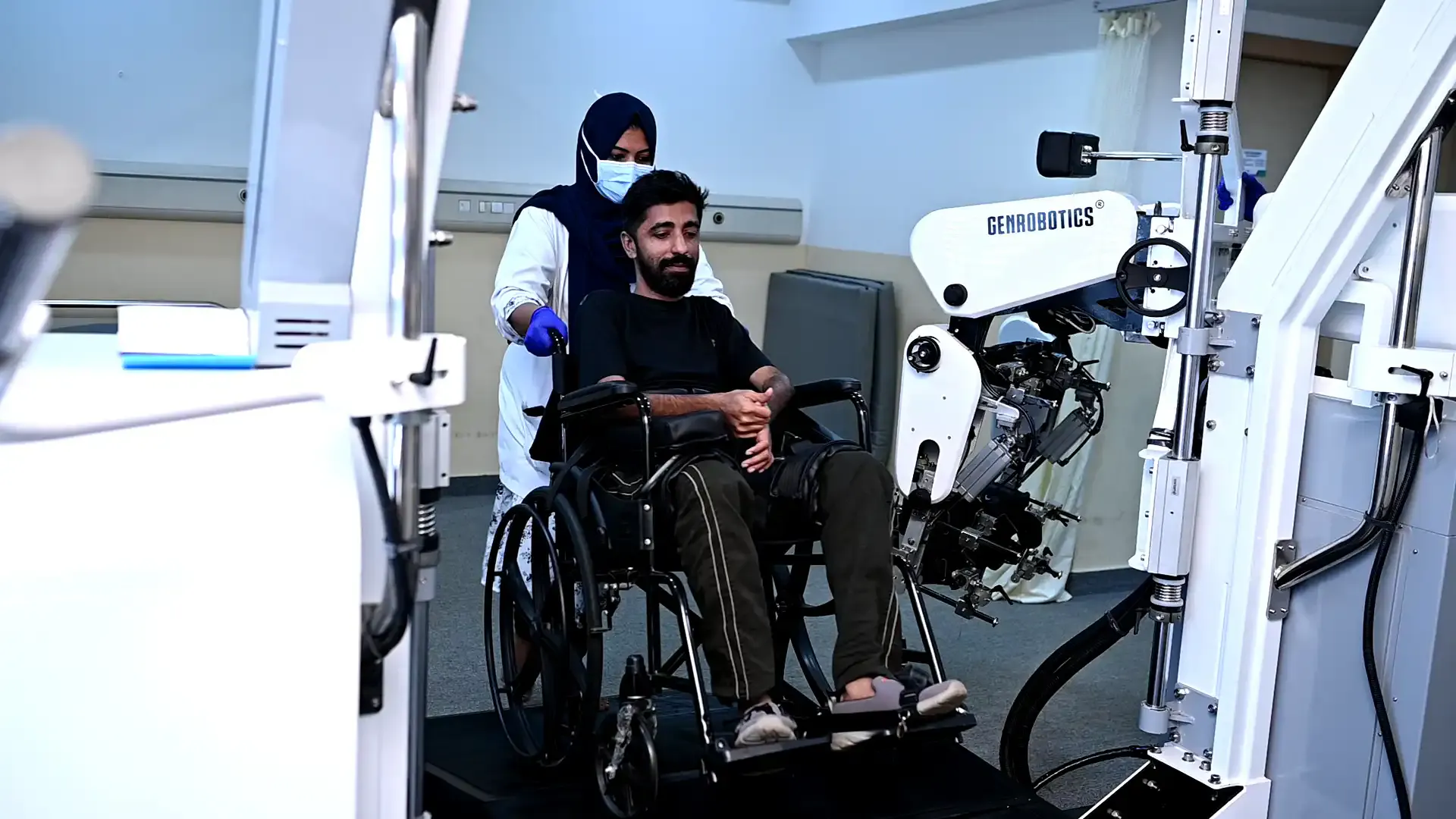
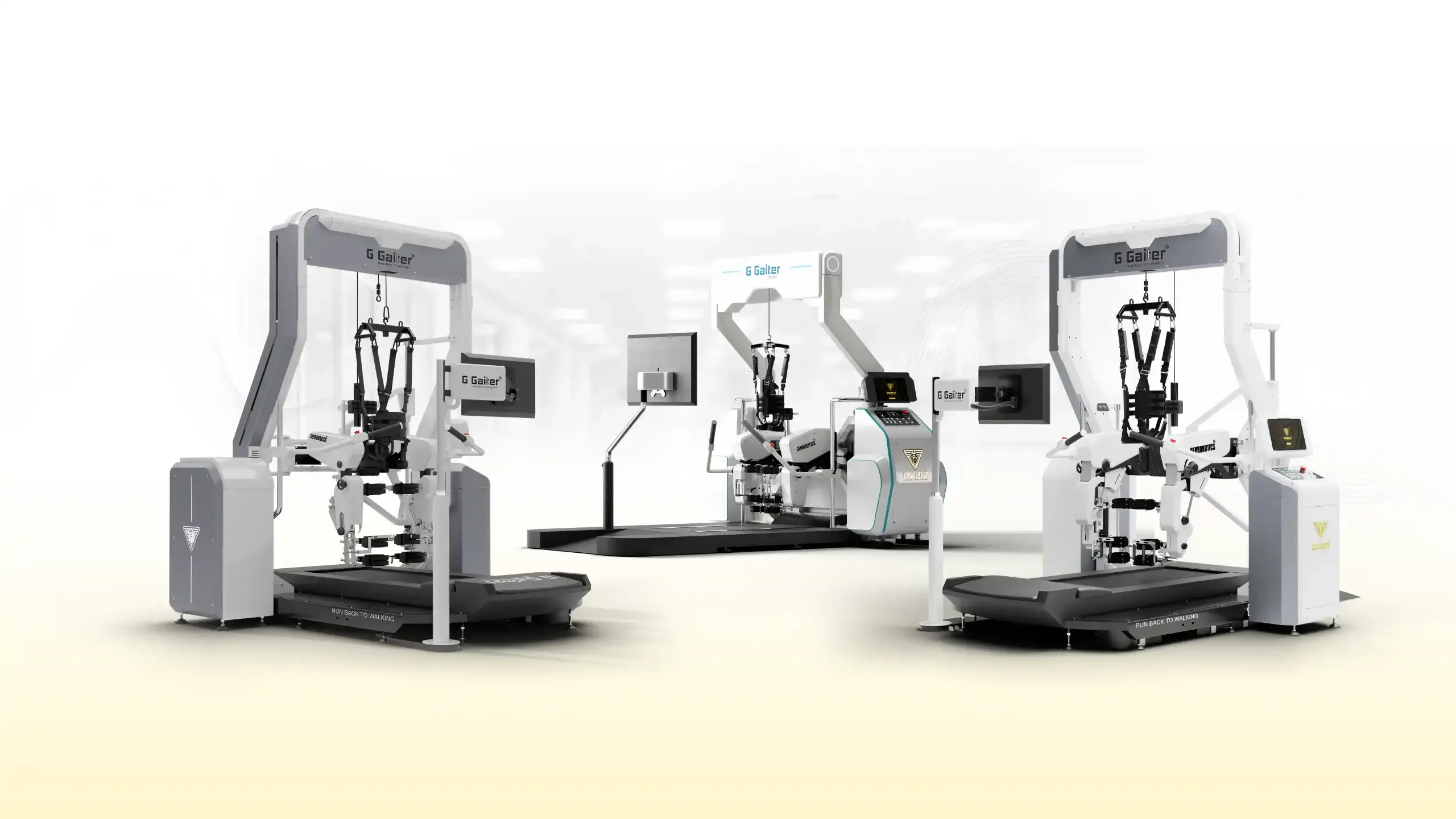
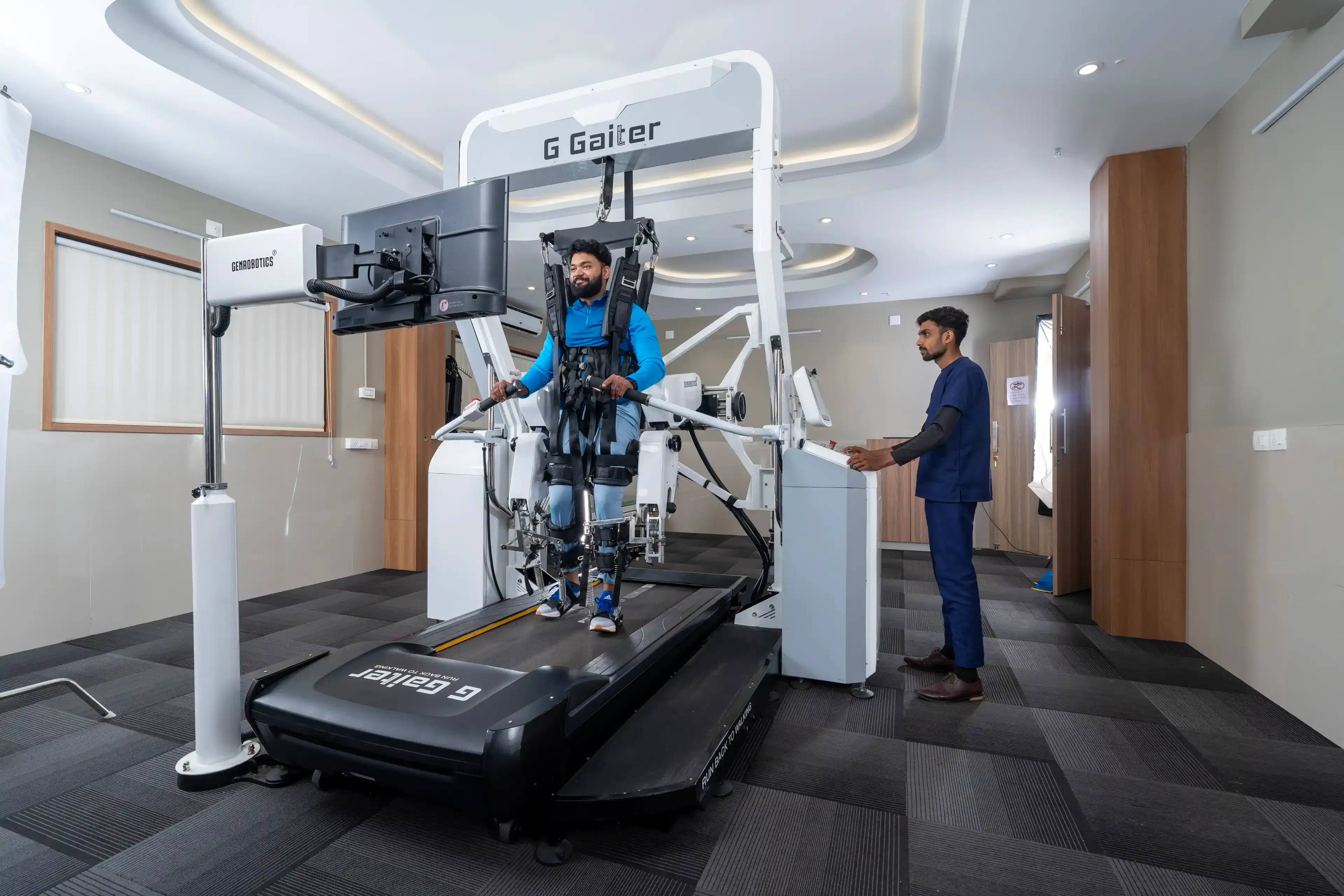
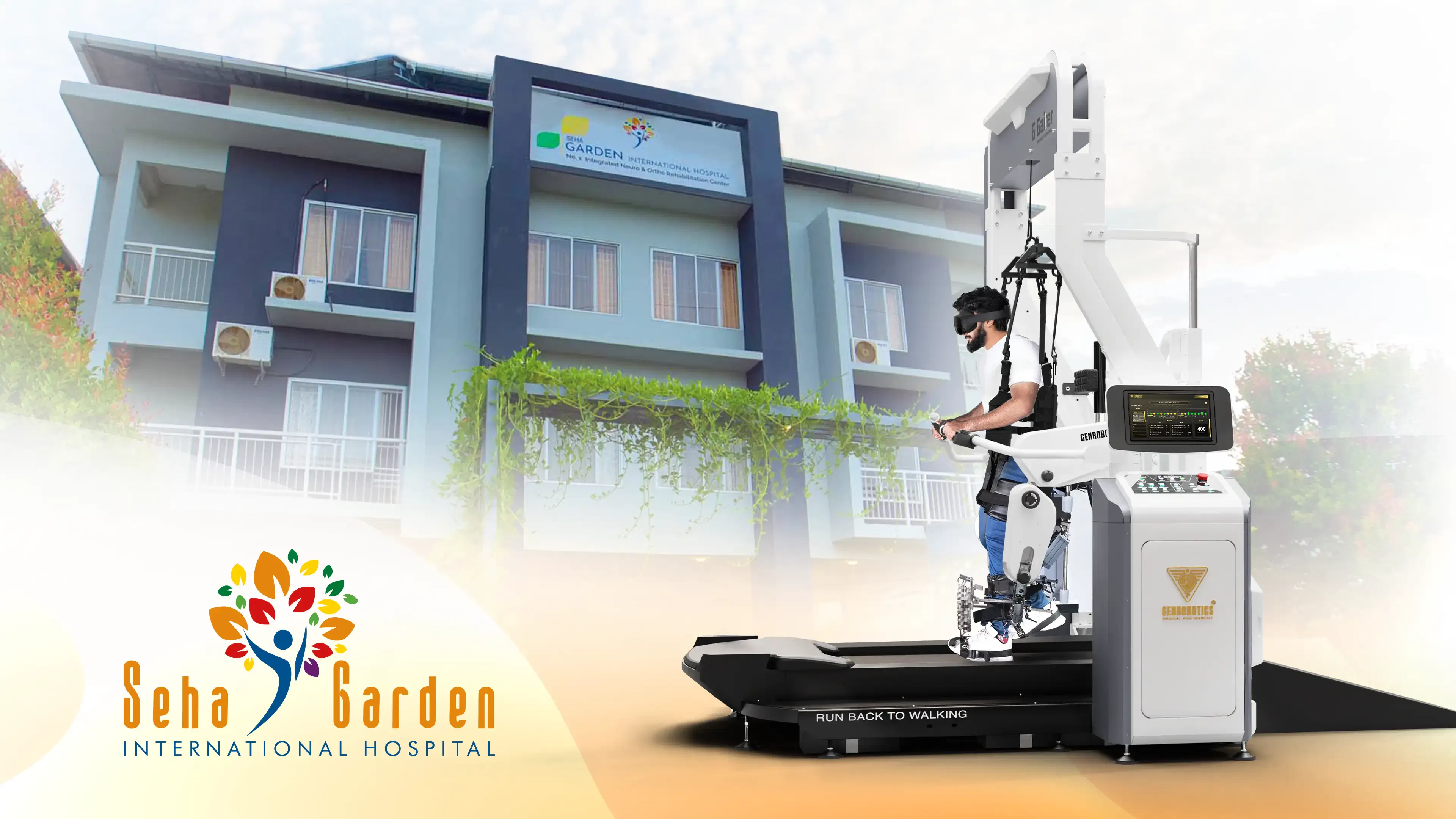
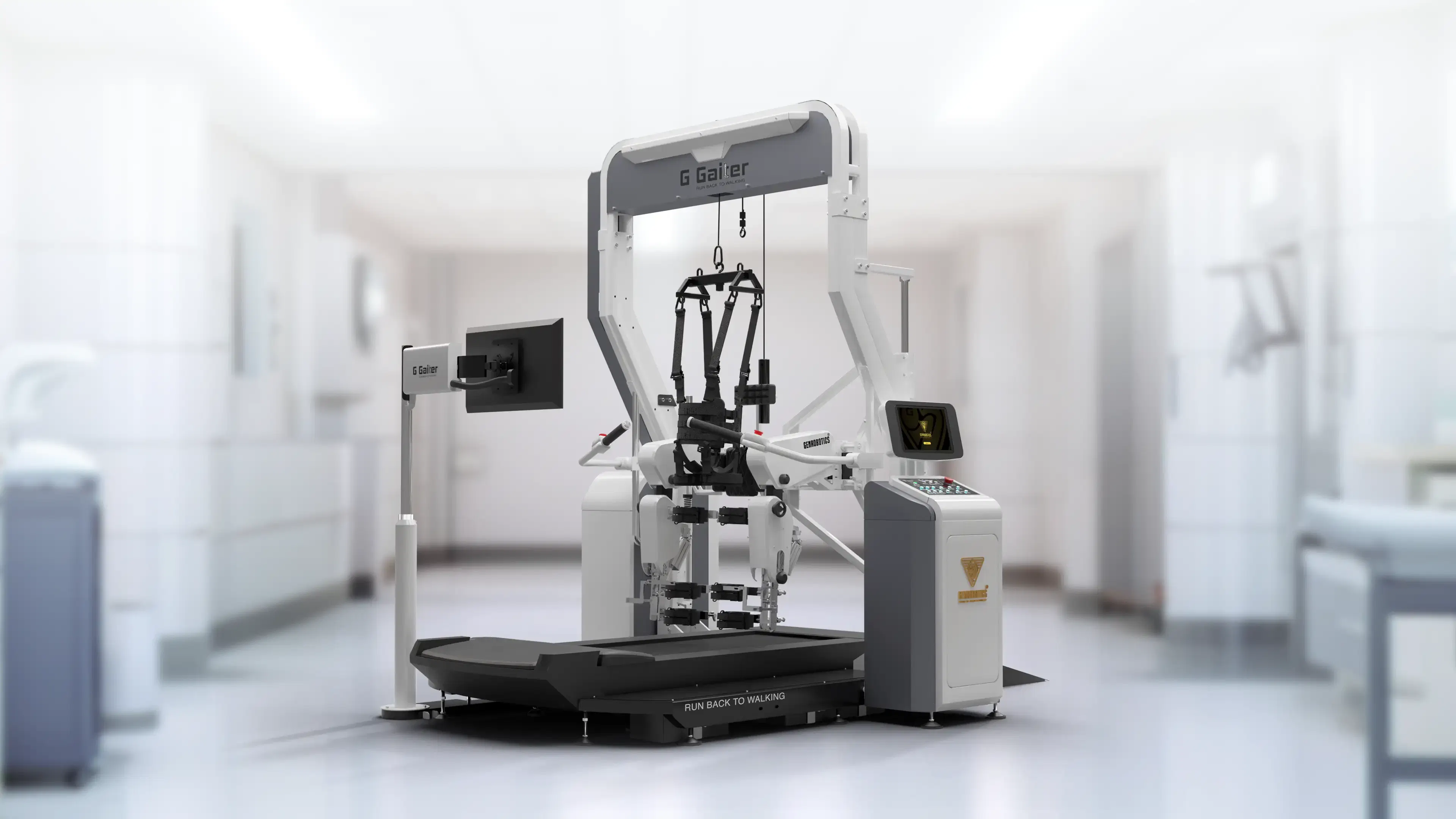
When we look back at the journey to 7.5 million robotic steps, it does not feel like a number we set out to achieve. It feels like something that slowly took shape over time. It began in quiet therapy rooms.
When we walk through a modern hospital, we usually notice the human side of healthcare first. Doctors move between rooms. Therapists guide patients through careful exercises. Families wait quietly outside recovery wards.
When we step inside a modern hospital, we notice the familiar rhythm of healthcare. Doctors move between patient rooms. Nurses monitor vital signs. Therapists guide patients through rehabilitation exercises.
Recovery after a serious injury or neurological condition is rarely dramatic. It is a gradual process that requires patience, consistency, and structured therapy.
Recovery is rarely a straight line. Anyone who has experienced a serious injury, surgery, or neurological condition understands this deeply. Some days progress feels fast, while others feel slow. Yet every step forward matters.
Robotics is rapidly making changes in healthcare, especially in the field of physical medicine & rehabilitation. Advanced technologies now help therapists deliver more structured, consistent, and effective mobility training for patients recovering from serious conditions.