Future of Robotics in Healthcare
Healthcare is rapidly evolving, and robotics is at the center of this transformation. Many people today are asking how robotics will shape the future of patient care and hospital operations.
Healthcare is rapidly evolving, and robotics is at the center of this transformation. Many people today are asking how robotics will shape the future of patient care and hospital operations.
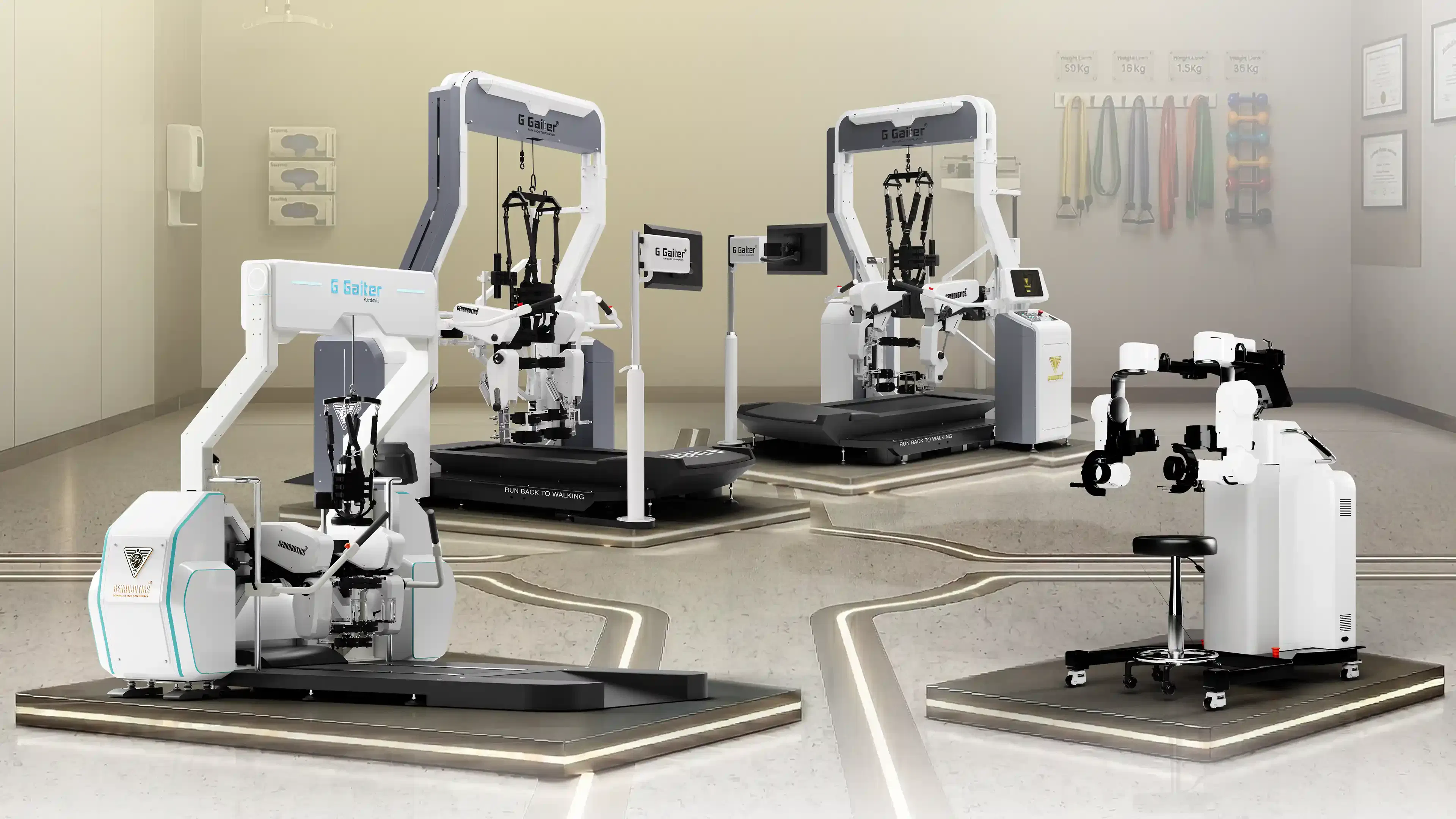
The future of robotics in healthcare focuses on improving precision, efficiency, and accessibility. Technologies like the robotic rehab device and the hospital robot assistant are already redefining how care is delivered and experienced.
What Is the Role of Robotics in Future Healthcare?
Robotics in healthcare refers to the use of intelligent machines to assist in medical tasks, patient care, and clinical workflows.
In simple terms, robots help healthcare professionals deliver faster, more consistent, and more accurate care.
In the future, robotics will:
- Reduce manual workload for healthcare staff
- Improve treatment precision and outcomes
- Ensure consistent care delivery across patients
- Allow professionals to focus more on patient interaction
This shift will enhance both efficiency and quality of care.
How Will Robotic Rehab Devices Transform Recovery?
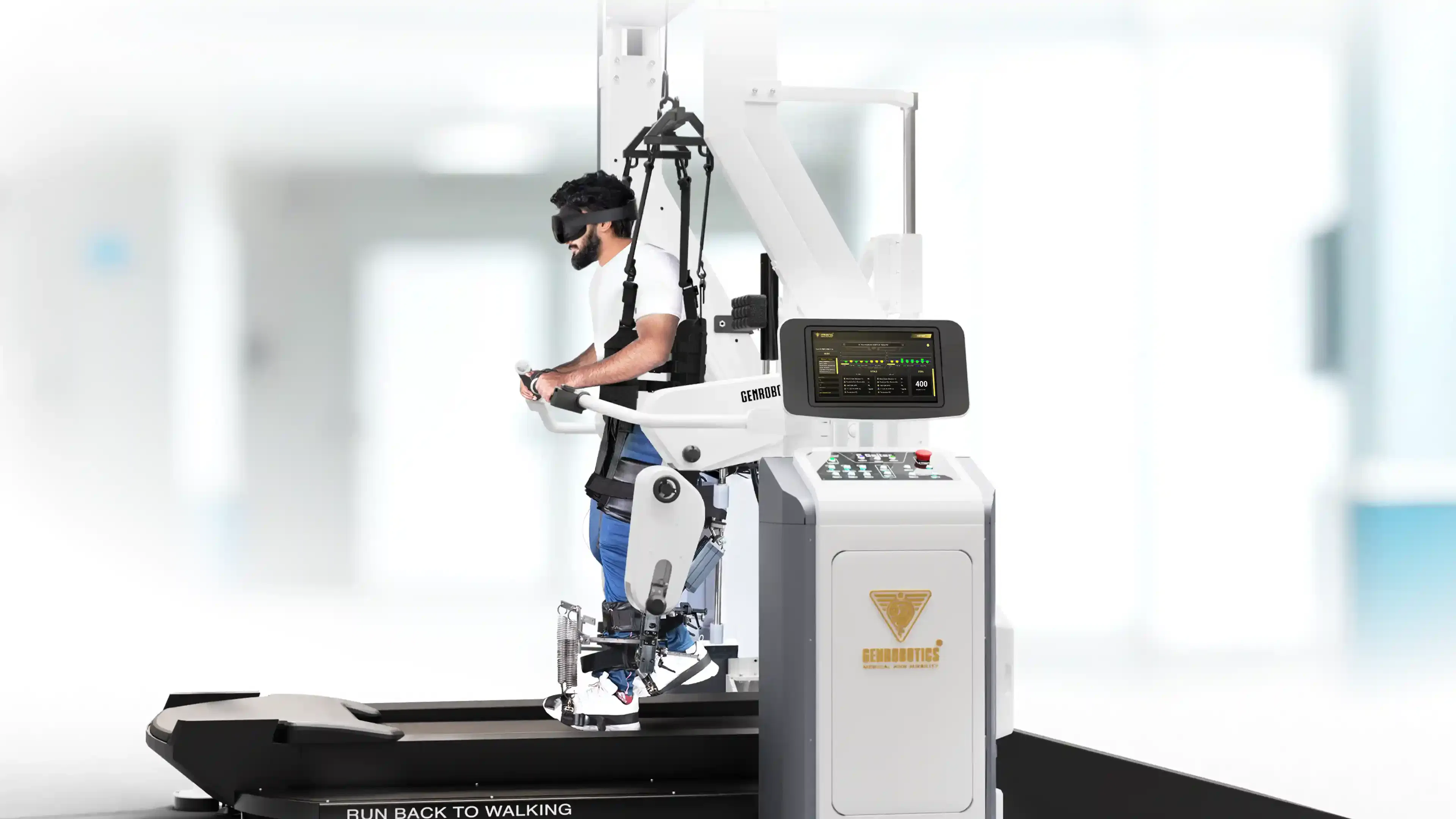
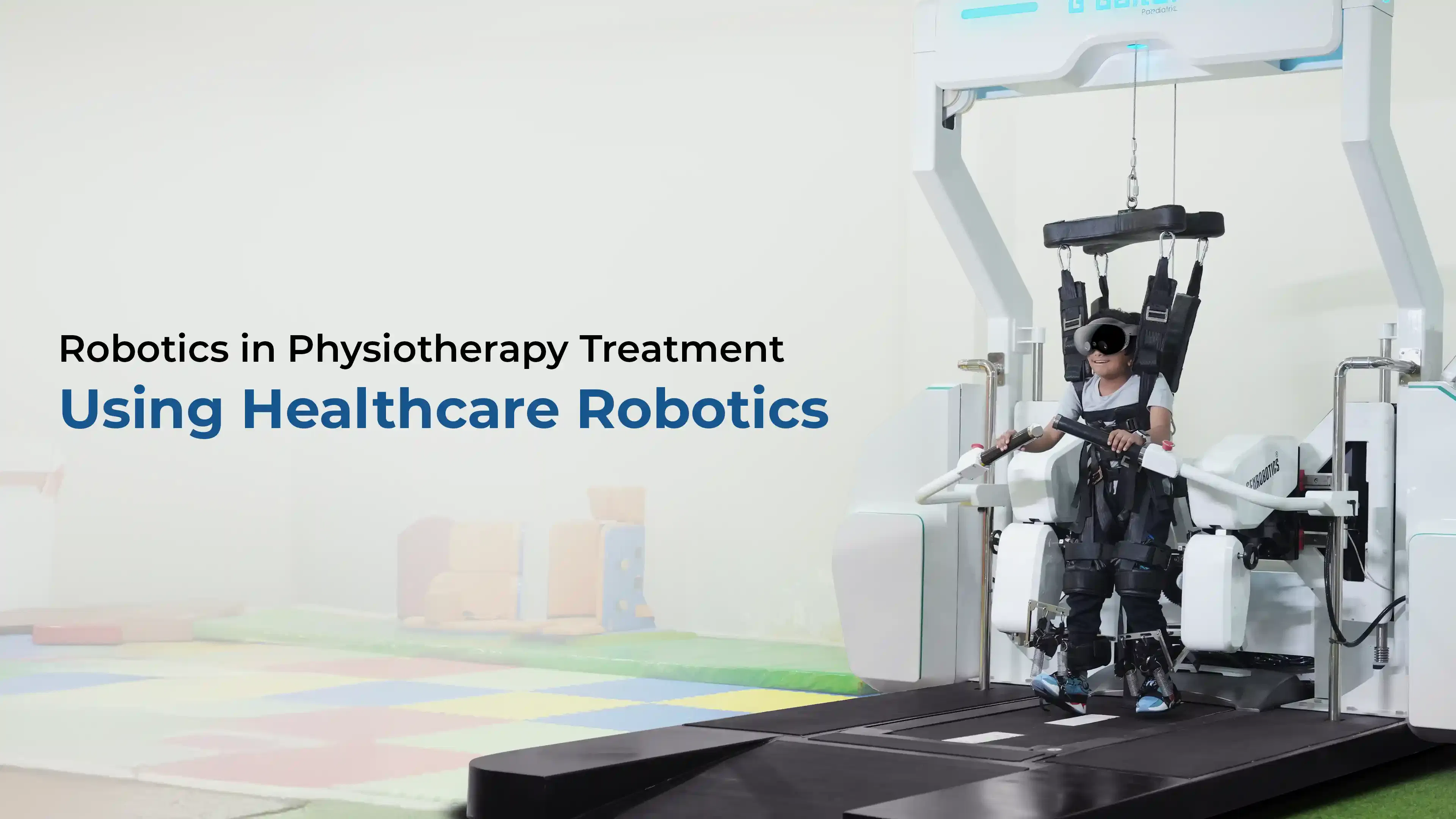
Robotic rehab devices will play a major role in improving recovery outcomes.
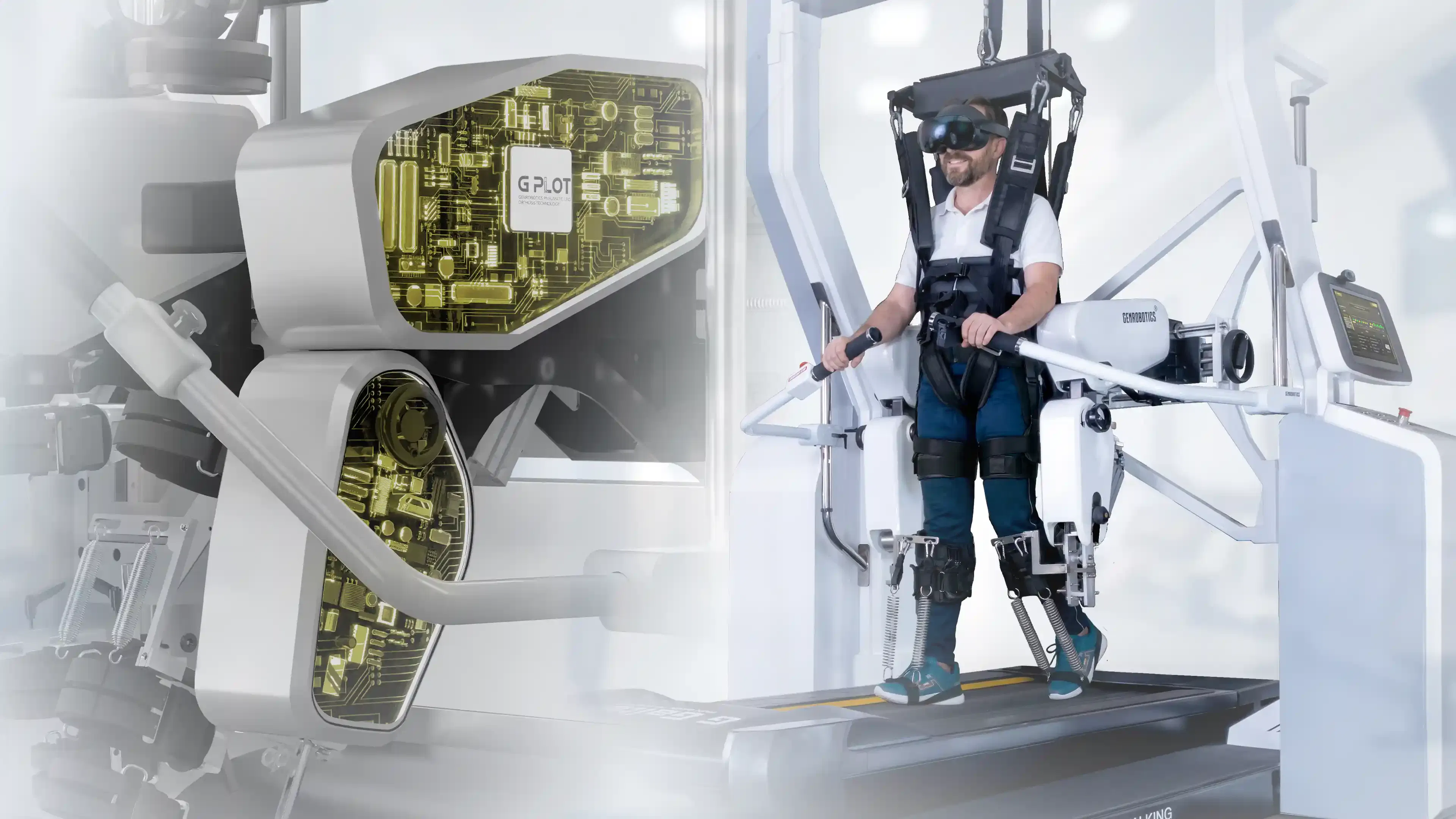
A robotic rehab device helps patients regain movement by guiding them through controlled and repetitive exercises. These movements support muscle strength and brain retraining.
In the future, these devices will become more intelligent and personalized through:
- Real time adjustment based on patient performance
- Data driven therapy plans
- Integration with artificial intelligence
- Wider accessibility across healthcare centers
These advancements will make recovery faster, more engaging, and more effective.
What Will Hospital Robot Assistants Do?
Hospital robot assistants will become essential in managing daily healthcare operations.
A hospital robot assistant is designed to handle routine tasks, allowing medical staff to focus on critical care.
In the future, these robots will:
- Transport medical supplies and equipment
- Assist with patient monitoring
- Support infection control by reducing human contact
- Manage logistics and workflow within hospitals
By handling repetitive tasks, they will improve efficiency and reduce staff workload.
How Will Artificial Intelligence Shape Healthcare Robotics?
Artificial intelligence will be the foundation of future healthcare robotics.
AI allows robots to analyze patient data, learn from patterns, and make informed decisions. This leads to more personalized and accurate care.
For example:
- Robotic rehab devices will adjust therapy in real time
- Hospital robot assistants will optimize operations dynamically
This level of intelligence will significantly improve patient outcomes.
What Are the Benefits of Robotics in Healthcare?
Robotics brings measurable improvements to healthcare systems.
Key benefits include:
- Higher precision in treatment and procedures
- Consistent and repeatable therapy sessions
- Reduced workload for healthcare professionals
- Enhanced patient safety and monitoring
- Better data driven decision making
These benefits make robotics a critical part of future healthcare infrastructure.
Will Robotics Make Healthcare More Accessible?
Yes. Robotics will improve access to quality healthcare, especially in underserved regions.
Robotic systems can extend care beyond hospitals through remote monitoring and automated assistance. As technology becomes more affordable, solutions like the robotic rehab device and hospital robot assistant will reach more facilities.
This will help bridge gaps in healthcare availability.
What Challenges Does Healthcare Robotics Face?
Despite its potential, healthcare robotics faces several challenges.
- High initial cost of implementation
- Need for specialized training
- Concerns around patient trust and acceptance
- Ethical considerations in automated care
Addressing these challenges will be key to wider adoption.
What Does the Future of Robotics in Healthcare Look Like?
The future of robotics in healthcare is centered on collaboration between humans and machines.
Robots will not replace healthcare professionals. Instead, they will support them by improving efficiency and consistency.
Future developments will include:
- Smarter and more adaptive robotic systems
- Greater integration with healthcare networks
- Increased use in home based care
- More personalized patient experiences
This evolution will create a more responsive and patient focused healthcare system.
Conclusion
Robotics is set to redefine the future of healthcare by improving how care is delivered and experienced.
Innovations like the robotic rehab device and the hospital robot assistant are already making healthcare more efficient and patient centered. As technology continues to evolve, robotics will play an even greater role in enhancing recovery, accessibility, and overall quality of care.
The future lies in collaboration, where technology and human expertise work together to deliver better outcomes for patients.
FAQ
What is the future of robotics in healthcare?
The future of robotics in healthcare involves using intelligent machines to improve patient care, increase efficiency, and support healthcare professionals.
Yes. Robotics enables remote care and expands access to advanced treatment, especially in underserved areas.
What is a robotic rehab device?
A robotic rehab device is a system that helps patients recover movement through guided and repetitive exercises.
What does a hospital robot assistant do?
A hospital robot assistant handles tasks like transporting supplies, monitoring patients, and managing hospital workflows.
Will robots replace doctors in healthcare?
No. Robots support doctors and therapists but cannot replace human expertise and decision making.