Robotic Gait Rehabilitation at Seha Garden: A New Chapter in Patient Recovery
Recovery is rarely a straight line. Anyone who has experienced a serious injury, surgery, or neurological condition understands this deeply. Some days progress feels fast, while others feel slow. Yet every step forward matters.
Recovery is rarely a straight line. Anyone who has experienced a serious injury, surgery, or neurological condition understands this deeply. Some days progress feels fast, while others feel slow. Yet every step forward matters.
At Seha Garden, rehabilitation is about more than therapy sessions. It is about restoring independence, rebuilding confidence, and helping patients regain the quality of life they deserve.
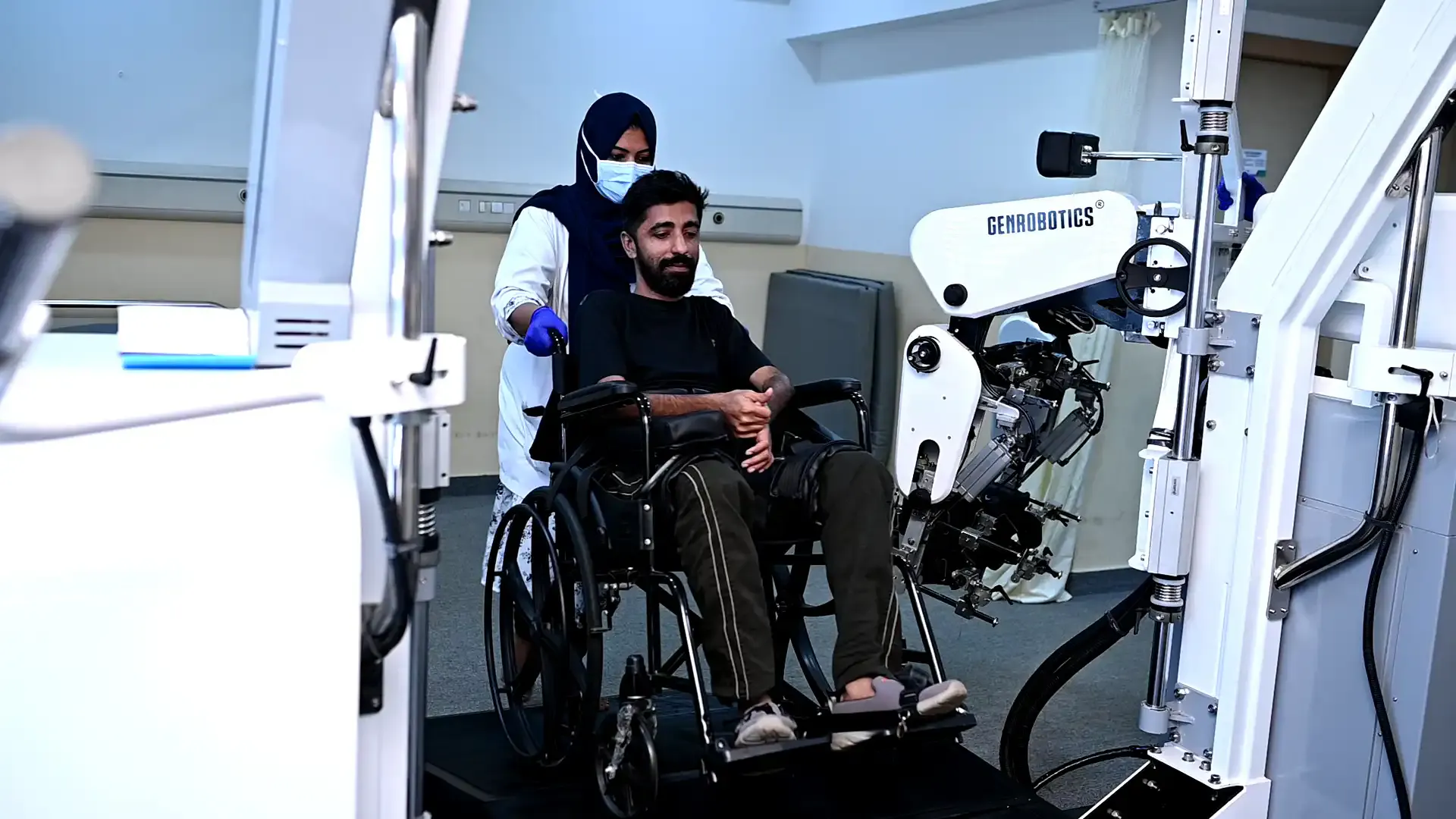
To strengthen this mission, Seha Garden has introduced advanced robotic gait rehabilitation technology into its therapy programs. This innovation supports patients who are relearning how to walk after neurological or mobility-related conditions, marking a significant step forward in modern rehabilitation care.
Why Is Gait Rehabilitation Important?
Gait rehabilitation is a structured therapy process that helps patients relearn how to walk after injuries, neurological conditions, or surgeries that affect mobility.
Walking is something many people take for granted until it becomes difficult.
Conditions such as stroke, spinal cord injuries, or neurological disorders can disrupt the brain’s ability to communicate with muscles. When this happens, patients may experience:
- Loss of coordination
- Weakness in the lower limbs
- Balance difficulties
- Reduced ability to stand or walk independently
Physiotherapists work closely with patients to rebuild strength, coordination, and confidence through guided exercises.
However, traditional gait rehabilitation can be physically demanding. Therapists often need to manually support patients during walking exercises, which can limit the duration and intensity of therapy sessions.
Recovery improves significantly when patients can practice walking movements repeatedly and consistently. This is where modern rehabilitation technology becomes transformative.
How Robotic Gait Rehabilitation Supports Recovery
Robotic gait rehabilitation uses specialized robotic systems to guide and support walking movements during therapy sessions.
At Seha Garden, this technology allows patients to practice walking in a safe, structured, and controlled environment.
Instead of relying only on manual assistance, therapists can use robotic support systems that enable repetitive walking movements. These movements are essential for neurological recovery and muscle coordination.
The purpose of robotic rehabilitation is not to replace therapists. Instead, the technology works alongside rehabilitation professionals to enhance therapy outcomes.
For patients, this often leads to:
- Longer and more effective therapy sessions
- Consistent and structured movement patterns
- Greater confidence during walking exercises
- Reduced fear of falling
For therapists, the system reduces physical strain while allowing them to focus on treatment planning, monitoring progress, and patient engagement.
A Safer and More Supportive Rehabilitation Experience
One of the biggest challenges patients face during early walking rehabilitation is fear of losing balance or falling.
This fear can slow progress and reduce motivation.
Robotic gait systems provide continuous support during walking exercises. This creates a stable environment where patients can focus entirely on movement and recovery.
From a therapist’s perspective, robotic assistance allows more efficient gait training sessions. Instead of physically supporting every step, therapists can concentrate on optimizing therapy strategies and guiding patients through structured rehabilitation programs.
In this way, robotic systems become partners in the rehabilitation journey, supporting both clinicians and patients.
Why Seha Garden Introduced Advanced Gait Training Technology
Introducing new rehabilitation technology is never a casual decision. At Seha Garden, every innovation must meet one simple standard: it should genuinely improve patient outcomes.
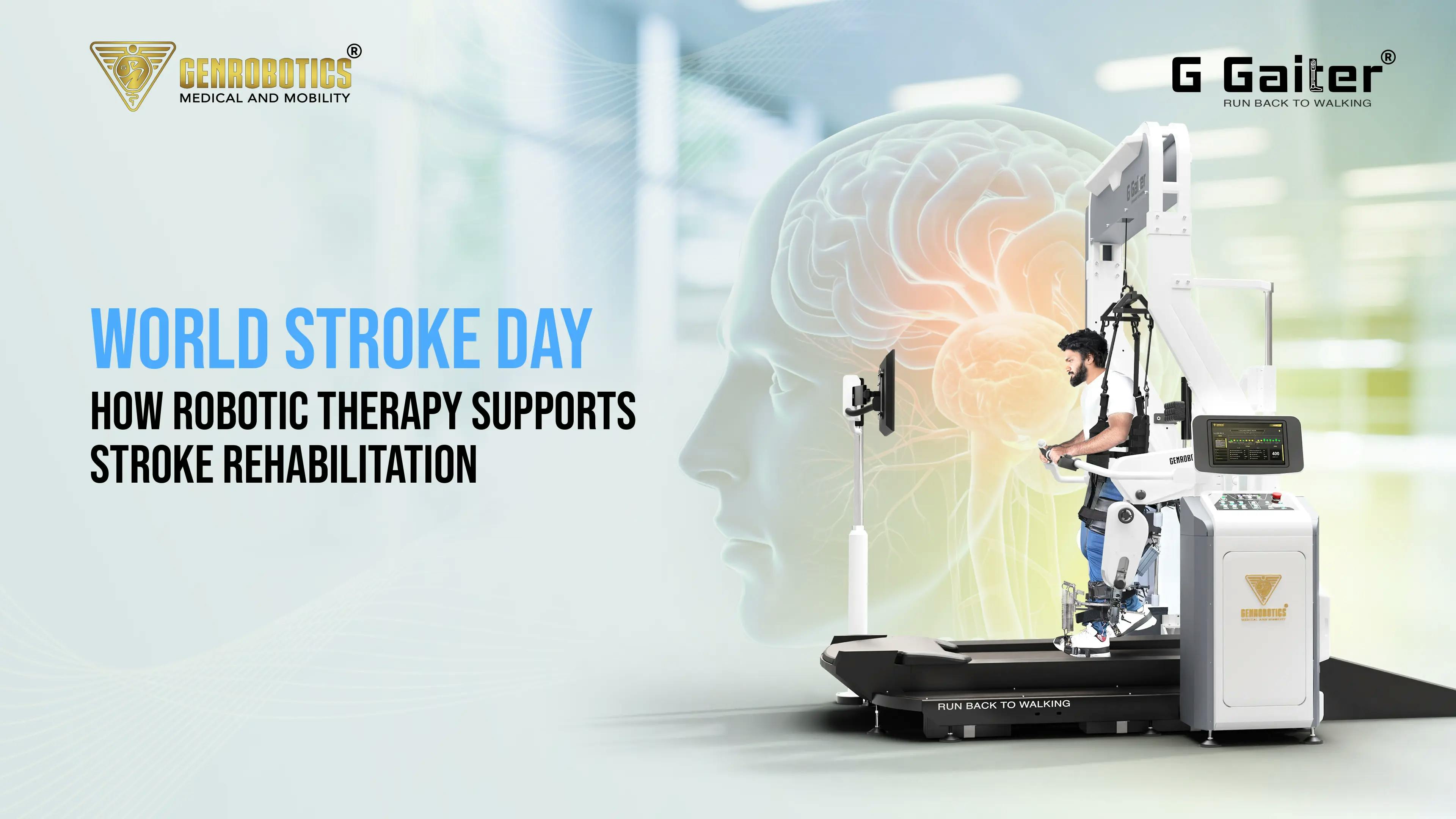
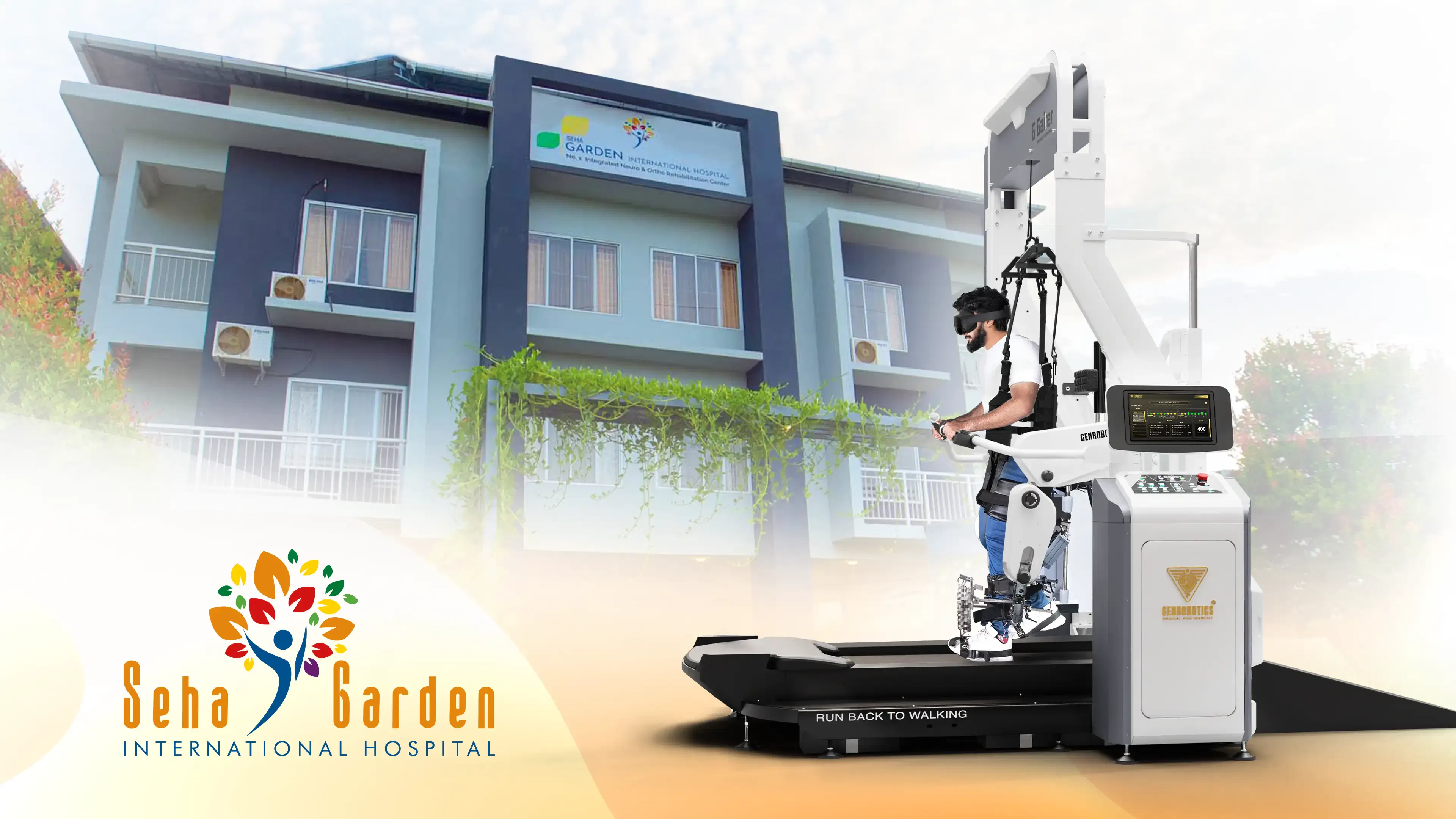
After extensive research and consultation with rehabilitation experts, Seha Garden adopted an advanced robotic gait rehabilitation system known as G-Gaiter, developed by the Kerala-based robotics company Genrobotics.
The system assists patients in performing structured walking exercises while enabling therapists to monitor and adjust therapy sessions according to individual progress.
What makes this technology particularly valuable is how naturally it integrates into clinical rehabilitation practice. It supports patients during movement while ensuring therapists remain fully involved in the therapy process.
This balance ensures that technology enhances the rehabilitation experience without replacing the essential human connection that supports recovery.
Which Conditions Benefit From Gait Rehabilitation?
Robotic gait training can support recovery for patients dealing with a wide range of mobility-related conditions.
At Seha Garden, this therapy approach can assist individuals recovering from:
- Stroke-related mobility challenges
- Spinal cord injuries
- Neurological movement disorders
- Orthopedic injuries affecting walking ability
- Musculoskeletal conditions impacting lower limb strength
Each patient follows a customized rehabilitation plan designed by experienced therapists. Robotic gait training expands the range of treatment options available to support individual recovery goals.
Why Repetition Is Critical in Rehabilitation
Repetition is one of the most important elements in physical rehabilitation.
The brain has an extraordinary ability called neuroplasticity. Neuroplasticity refers to the brain’s capacity to reorganize itself by forming new neural connections.
In simple terms, the brain can relearn lost movement patterns through consistent practice.
Walking therapy requires repeating the same motion patterns many times during a session. However, maintaining this level of repetition using traditional therapy alone can be physically demanding for both therapists and patients.
Robotic gait rehabilitation solves this challenge by enabling consistent and structured walking exercises throughout the therapy session.
This gives patients more opportunities to practice walking safely, which can accelerate recovery and improve mobility outcomes.
Creating a Patient-Centered Recovery Environment
Technology plays an important role in modern rehabilitation, but recovery is ultimately about people.
Every patient who arrives at Seha Garden brings a unique story, a set of challenges, and hopes for the future. The goal of rehabilitation is to support that journey with compassion, expertise, and the best available tools.
By combining experienced therapists with advanced rehabilitation technology, Seha Garden aims to create an environment where patients feel supported at every stage of recovery.
Patients can feel confident that their care reflects the latest advancements in rehabilitation science, while still maintaining the warmth and personal attention that healing requires.
The Future of Rehabilitation at Seha Garden
Rehabilitation medicine is evolving rapidly. New technologies are helping clinicians deliver more effective therapy while improving patient engagement and recovery outcomes.
At Seha Garden, these innovations are viewed not as replacements for traditional therapy but as powerful tools that enhance the rehabilitation process.
The mission remains simple:
- Help people move again
- Help them regain independence
- Support them through every stage of recovery
The introduction of robotic gait rehabilitation technology is one step toward that future.
By combining human expertise with advanced rehabilitation systems, Seha Garden continues to strengthen its commitment to helping patients take confident steps toward recovery.
Frequently Asked Questions (FAQ)
What is robotic gait rehabilitation?
Robotic gait rehabilitation is a therapy method that uses robotic systems to assist patients in practicing walking movements. These systems guide the legs through structured walking patterns while therapists supervise and adjust the therapy.
Who can benefit from robotic gait training?
Patients recovering from stroke, spinal cord injuries, neurological disorders, orthopedic injuries, or musculoskeletal conditions affecting mobility may benefit from robotic gait rehabilitation.
Is robotic rehabilitation a replacement for physiotherapy?
No. Robotic systems support physiotherapists but do not replace them. Therapists remain responsible for designing treatment plans, guiding sessions, and monitoring patient progress.
How does repetitive walking help recovery?
Repeated walking movements stimulate neuroplasticity in the brain. This process helps the brain rebuild neural pathways needed for movement, allowing patients to gradually regain walking ability.
Why did Seha Garden introduce robotic gait technology?
Seha Garden introduced robotic gait rehabilitation to enhance therapy outcomes, provide safer walking training, and allow patients to practice movement patterns more consistently during rehabilitation sessions.