Seha Garden International Hospital Enhances Mobility Recovery with G-Gaiter Robotic Gait Therapy
Robotics is rapidly making changes in healthcare, especially in the field of physical medicine & rehabilitation. Advanced technologies now help therapists deliver more structured, consistent, and effective mobility training for patients recovering from serious conditions.
Robotics is rapidly making changes in healthcare, especially in the field of physical medicine & rehabilitation. Advanced technologies now help therapists deliver more structured, consistent, and effective mobility training for patients recovering from serious conditions.
At Genrobotics, the goal has always been clear: use technology to improve lives. From protecting workers in hazardous environments to helping patients regain mobility, robotics can solve complex real-world challenges.
One of the most impactful areas for innovation is rehabilitation care. Patients recovering from neurological injuries, stroke, spinal cord injuries, orthopedic & musculoskeletal conditions, or surgeries, often face a long and demanding journey to regain mobility. For therapists, delivering effective therapy requires both clinical expertise and the right rehabilitation tools.
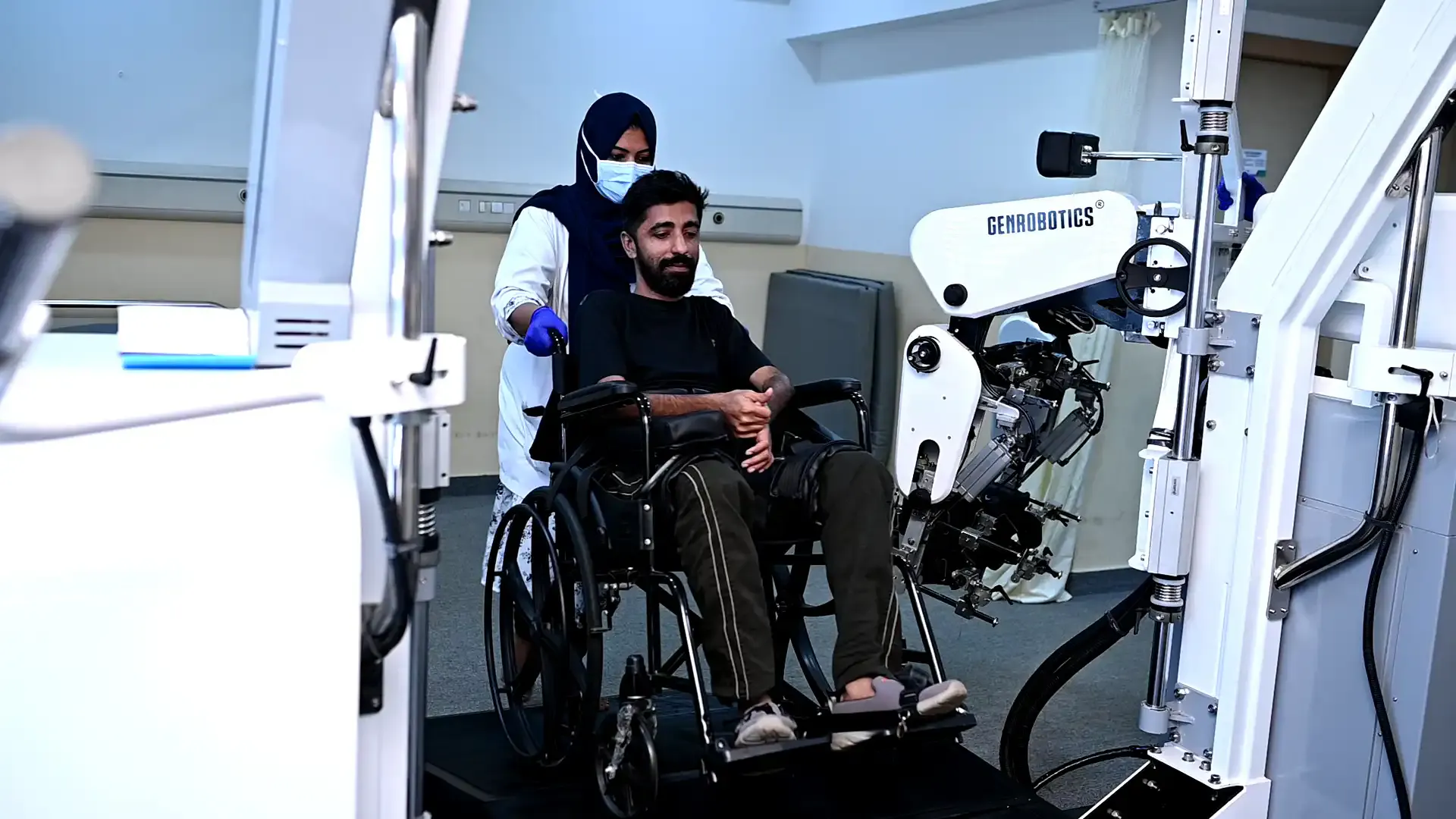
This is why Seha Garden, a Neuro and orthopedic rehabilitation center known for its patient-focused approach, has adopted G-Gaiter, the state-of-the-art robotic gait rehabilitation system developed by Genrobotics.
This collaboration reflects a shared commitment to improving mobility recovery while empowering rehabilitation professionals with advanced tools designed for modern therapy environments.
What Is G-Gaiter, the Advanced Robotic Gait Trainer?
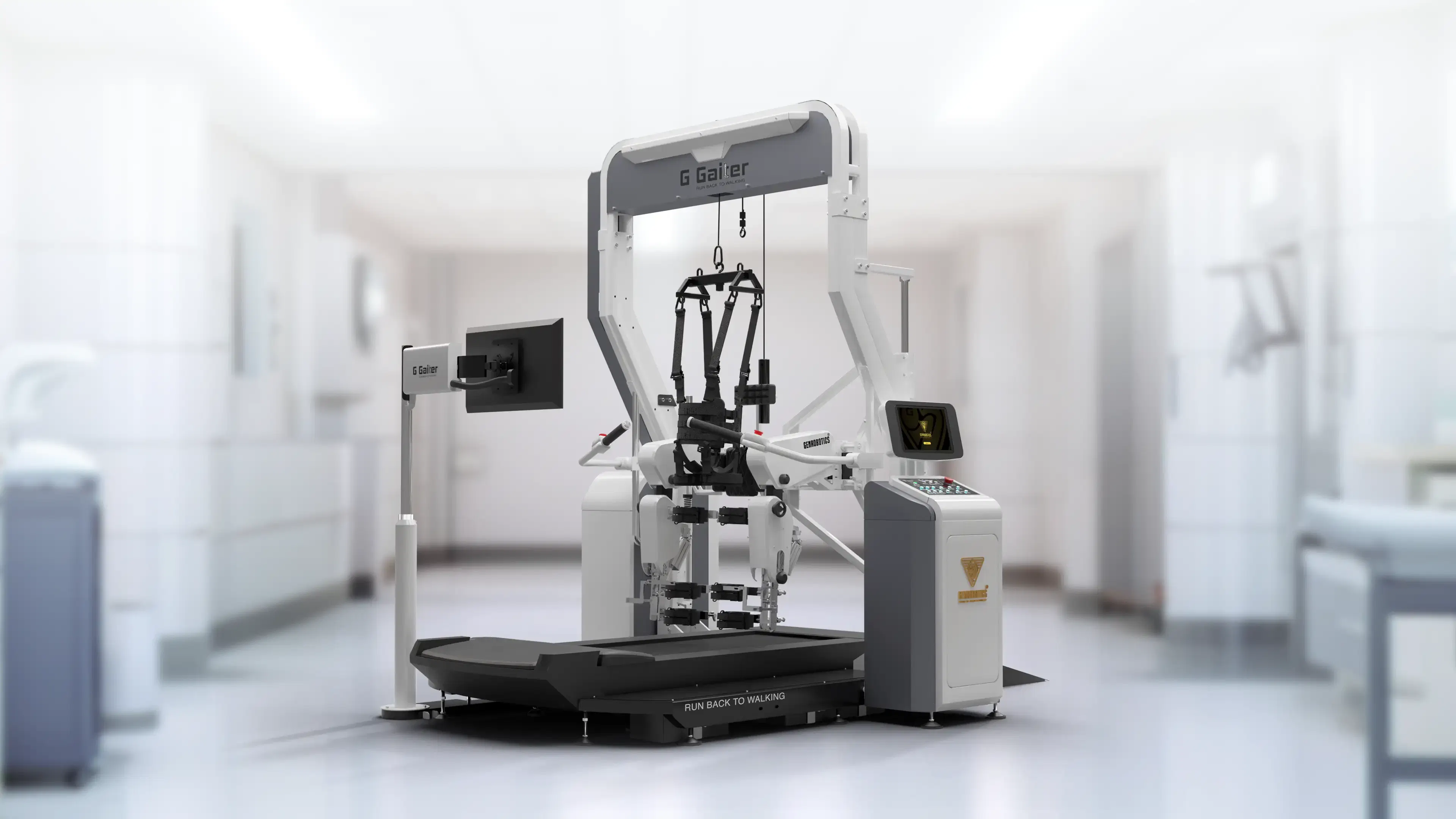
G-Gaiter is a robotic gait rehabilitation system designed to assist patients in walking recovery and support clinicians in delivering structured mobility training.
The system provides controlled support while patients practice walking movements. At the same time, therapists monitor progress and guide the rehabilitation process.
In many clinics, traditional walking therapy can be physically demanding and time-consuming for therapists. G-Gaiter helps ease that burden by acting as an advanced therapeutic tool that supports structured gait training.
Robotic gait rehabilitation systems like G-Gaiter are increasingly used in hospitals, physiotherapy clinics, and rehabilitation centers to improve therapy consistency and patient safety.
Seha Garden: A Rehabilitation Centre Committed to advancing Mobility Recovery
Seha Garden is an neuro and orthopedic rehabilitation centre dedicated to helping patients regain strength, mobility, and independence.
The centre provides specialized therapy programs for individuals recovering from:
- Orthopedic injuries
- Post-surgical conditions
- Neurological disorders affecting movement
Rehabilitation centres like Seha Garden play a critical role in long-term recovery. Many patients require months of structured therapy to rebuild muscle strength, coordination, and balance.
In such environments, the quality of therapy tools and rehabilitation techniques can significantly influence recovery outcomes.
By adopting advanced rehabilitation technologies such as the G-Gaiter system, Seha Garden is expanding the range of therapy solutions available to its patients.
Why Is Gait Rehabilitation Important for Mobility Recovery?
Gait rehabilitation is a therapy process that helps patients relearn how to walk after injuries, neurological conditions, or surgery.
Walking may seem simple, but it is one of the most complex movements performed by the human body. It requires coordinated interaction between the brain, nerves, muscles, and joints.
Patients recovering from conditions such as stroke, spinal injuries, or orthopedic trauma often need to relearn these coordinated movement patterns.
Successful gait rehabilitation depends heavily on:
- Repetition of walking movements
- Guided support during exercises
- Consistent therapy sessions
Traditional physiotherapy often requires therapists to manually assist patients during walking exercises. While highly effective, this approach can be physically demanding and may limit the intensity of training.
Robotic gait rehabilitation systems help address this challenge by providing controlled support during walking exercises. This allows patients to perform repeated walking movements safely while therapists supervise and adjust the therapy program.
How the G-Gaiter System Supports Modern Rehabilitation
The G-Gaiter robotic system assists patients during walking therapy while enabling therapists to deliver structured and controlled rehabilitation programs.
Designed for clinical environments such as hospitals and physiotherapy centres, the system supports patients during mobility exercises and helps therapists monitor progress more effectively.
Below are some of the key ways G-Gaiter supports rehabilitation programs.
Structured Mobility Training
Consistent repetition is one of the most important elements of gait rehabilitation.
G-Gaiter allows patients to practice walking movements repeatedly in a controlled environment. This helps reinforce muscle memory, coordination, and balance.
Therapist-Guided Therapy Sessions
Therapists remain fully in control of every therapy session.
The robotic system supports patient movement while clinicians observe gait patterns, adjust therapy parameters, and guide rehabilitation based on each patient's needs.
Reduced Physical Strain for Therapists
Manual gait training can place significant physical strain on therapists who must support patients during walking exercises.
Robotic assistance reduces this burden, allowing therapists to focus more on clinical assessment, patient interaction, and therapy optimization.
Improved Patient Confidence and Safety
Early walking exercises can cause anxiety for many patients because of the fear of falling or losing balance.
G-Gaiter provides stable support during walking practice, helping patients gain confidence while performing mobility exercises in a safe environment.
What Conditions Can Robotic Gait Rehabilitation Help Treat?
Robotic gait rehabilitation systems can support therapy programs for a wide range of mobility-related conditions.
These include:
- Stroke recovery
- Spinal cord injuries
- Parkinson’s disease
- Cerebral palsy
- Post-surgical orthopedic rehabilitation
- Musculoskeletal disorders affecting lower limb mobility
By enabling structured walking exercises with guided robotic support, systems like G-Gaiter allow therapists to introduce advanced therapy methods into rehabilitation programs.
For patients, this means greater access to modern rehabilitation tools that may help improve mobility outcomes.
How Robotics and Therapists Work Together in Rehabilitation
Robotic rehabilitation systems are designed to support therapists, not replace them.
Rehabilitation is fundamentally a human-centered process. Therapists play a crucial role in:
- Assessing patient conditions
- Designing personalized therapy programs
- Monitoring progress
- Motivating patients during recovery
Robotic systems extend the capabilities of therapists by assisting with repetitive movement training and reducing physical strain during therapy sessions.
When clinical expertise and advanced technology work together, rehabilitation programs become more consistent, scalable, and effective.
For rehabilitation centres like Seha Garden, this combination enables high-quality care while expanding the types of therapy services available to patients.
How Robotic Gait Rehabilitation Is Transforming Modern Therapy
The adoption of robotic rehabilitation systems marks a significant shift in how mobility therapy is delivered worldwide.
Rehabilitation centres are increasingly integrating advanced robotics to improve therapy precision and training consistency.
These technologies help clinicians:
- Deliver structured mobility exercises
- Increase therapy intensity safely
- Track patient progress more effectively
- Improve therapy efficiency in rehabilitation centres
At Genrobotics, the development of G-Gaiter reflects a broader mission to build technologies that solve real challenges in healthcare and infrastructure.
Seeing centres like Seha Garden adopt robotic rehabilitation tools demonstrates how mobility recovery is evolving through innovation.
The Future of Mobility Rehabilitation
Recovery journeys vary from patient to patient.
Some individuals regain mobility quickly, while others progress gradually through months of therapy. In every case, consistent training and the right therapeutic support make a significant difference.
By adopting the G-Gaiter robotic gait rehabilitation system, Seha Garden is strengthening its ability to deliver advanced rehabilitation care.
For therapists, the system provides a powerful tool to support structured therapy programs.
For patients, it offers something even more meaningful: the opportunity to regain confidence and take steady steps toward recovery.
Frequently Asked Questions (FAQ)
What is robotic gait rehabilitation?
Robotic gait rehabilitation is a therapy method that uses robotic systems to assist patients in practicing walking movements during rehabilitation.
These systems provide controlled support while therapists supervise therapy sessions and adjust training programs.
What is the G-Gaiter rehabilitation system?
G-Gaiter is a robotic gait rehabilitation device developed by Genrobotics to assist patients during walking therapy and support clinicians in delivering structured mobility training.
Who can benefit from robotic gait rehabilitation?
Robotic gait rehabilitation can benefit patients recovering from conditions such as stroke, spinal cord injuries, Parkinson’s disease, cerebral palsy, orthopedic surgery, and other mobility-related disorders.
Does robotic rehabilitation replace physiotherapists?
No. Robotic systems are designed to support physiotherapists, not replace them. Therapists remain responsible for evaluating patients, guiding therapy sessions, and adjusting rehabilitation plans.
Why is gait training important in rehabilitation?
Gait training helps patients relearn coordinated walking movements after injuries or neurological conditions. Repetitive walking exercises improve muscle strength, balance, coordination, and mobility recovery.