What Is Robotic Rehabilitation in Medical Robotics?
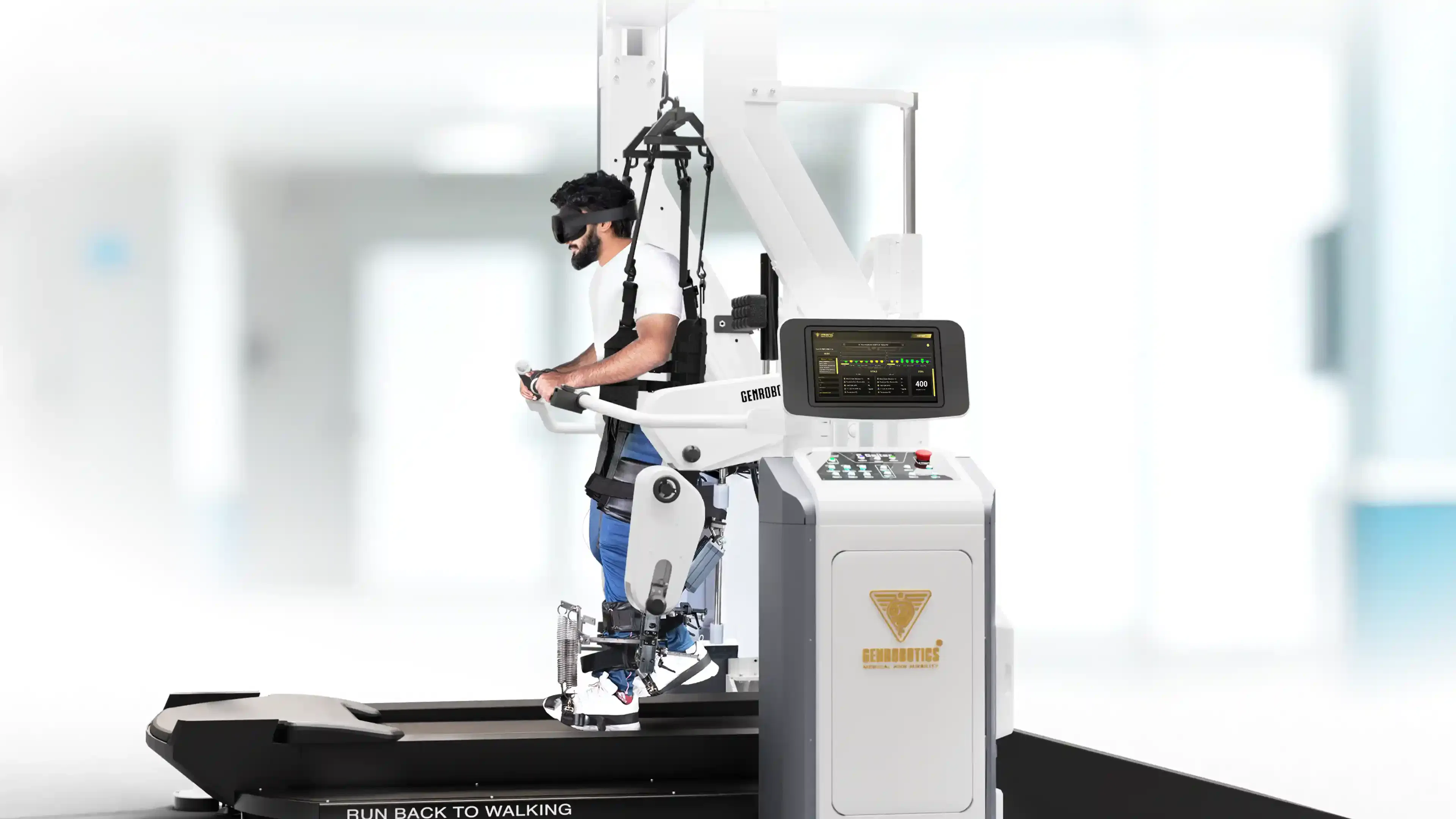
Recovery after injury or illness is rarely simple. Many patients and caregivers today ask a key question: what is robotic rehabilitation and how does it improve recovery?
Recovery after injury or illness is rarely simple. Many patients and caregivers today ask a key question: what is robotic rehabilitation and how does it improve recovery?
Robotic rehabilitation is a modern therapy approach that uses medical robotics to help patients regain movement, strength, and independence. This article explains how it works, why it matters, and how neuro rehabilitation robotics in India is transforming patient care.
What Is Robotic Rehabilitation?
Robotic rehabilitation is the use of advanced robotic systems to assist patients in restoring physical function through guided and repetitive movements.
These systems support, guide, and enhance therapy by delivering precise and controlled motion. Unlike fully manual therapy, robotic systems ensure consistency and measurable progress throughout the rehabilitation process.
In simple terms, robotic rehabilitation helps the body relearn lost movements using technology driven support.
How Does Robotic Rehabilitation Work?
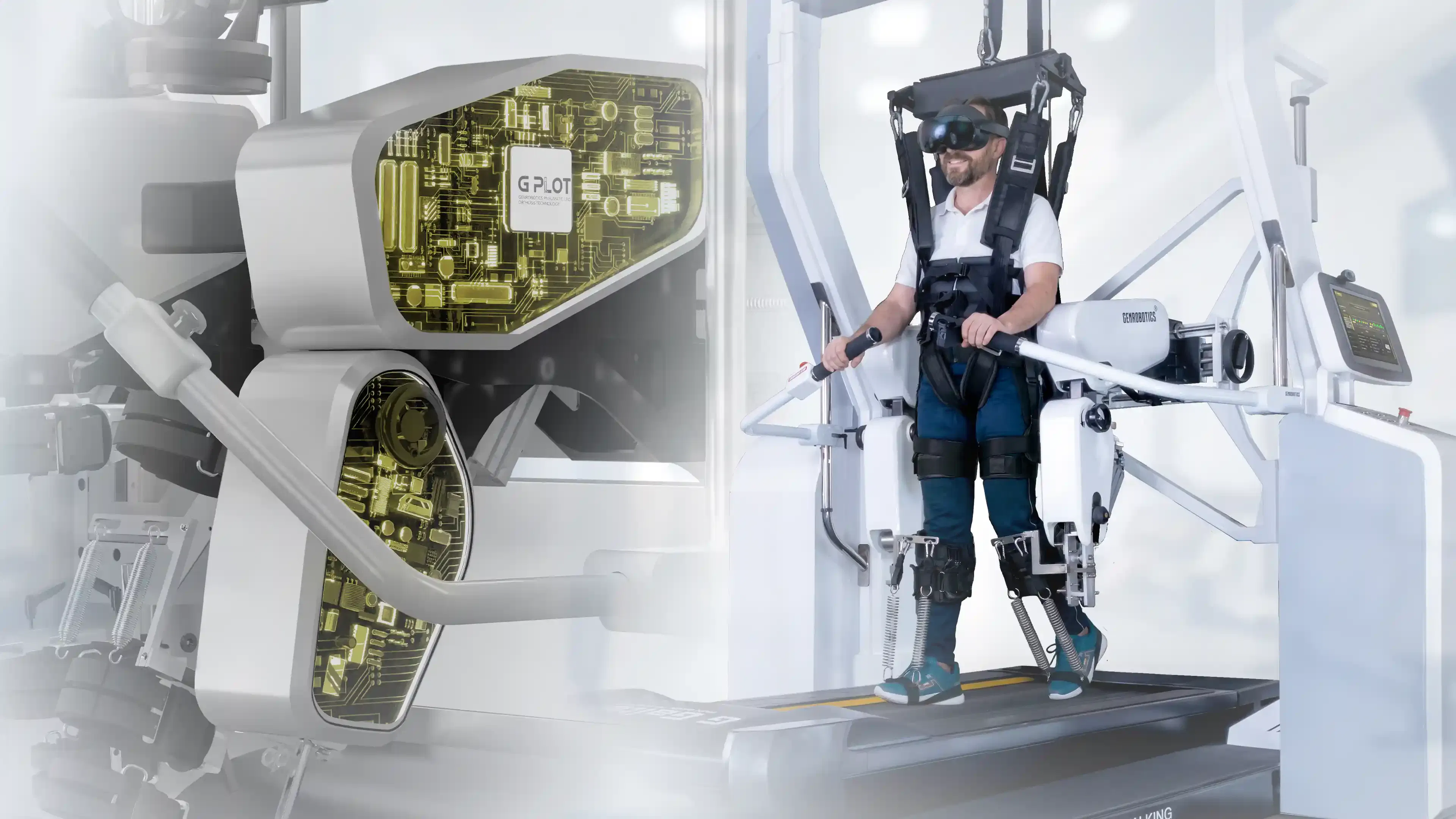
Robotic rehabilitation works by combining controlled movement, repetition, and real time feedback to retrain the brain and muscles.
Here is how the process typically works:
- Assessment of the patient’s condition and mobility level
- Setup of the robotic system based on therapy goals
- Guided movement through repetitive motion patterns
- Continuous monitoring using real time data
- Adjustment of therapy intensity as the patient improves
This structured approach ensures that each session is both safe and effective.
Why Is Repetition Important in Robotic Rehabilitation?
Repetition is critical because it helps the brain rebuild lost connections.
This process is based on neuroplasticity, which is the brain’s ability to reorganize and form new neural pathways. Robotic systems enable high quality repetition by guiding patients through the same accurate movement multiple times.
Over time, this helps the brain relearn how to control muscles more effectively.
What Conditions Can Robotic Rehabilitation Treat?
Robotic rehabilitation is widely used for neurological and physical conditions that affect movement.
Common conditions include:
- Stroke recovery
- Spinal cord injuries
- Brain trauma
- Neurological disorders affecting mobility
- Post surgical rehabilitation
Neuro rehabilitation robotics in India is increasingly being adopted to treat these conditions with more structured and intensive therapy programs.
Types of Robotic Rehabilitation Systems
Different robotic systems are designed for different parts of the body.
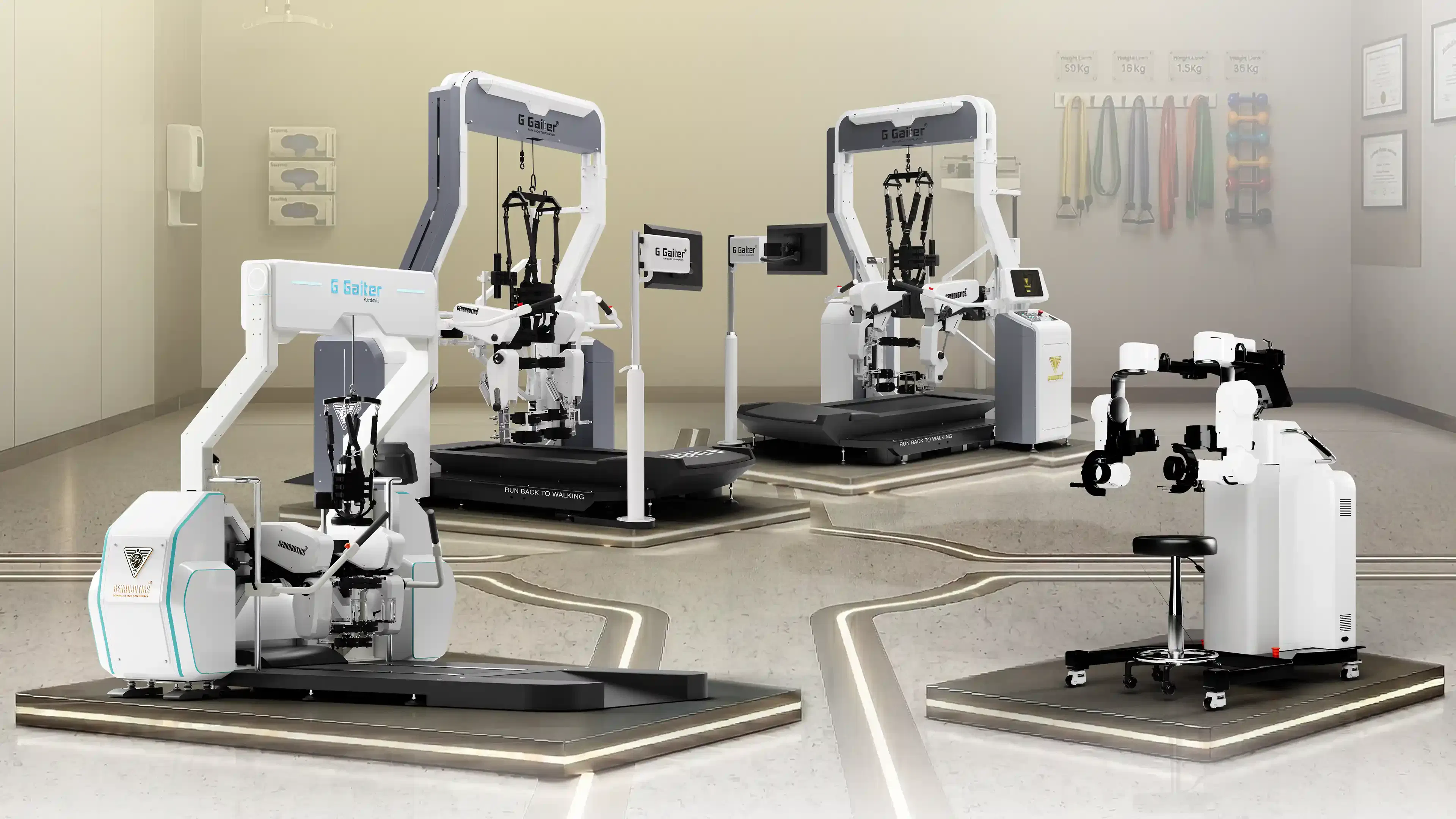
Lower Limb Rehabilitation
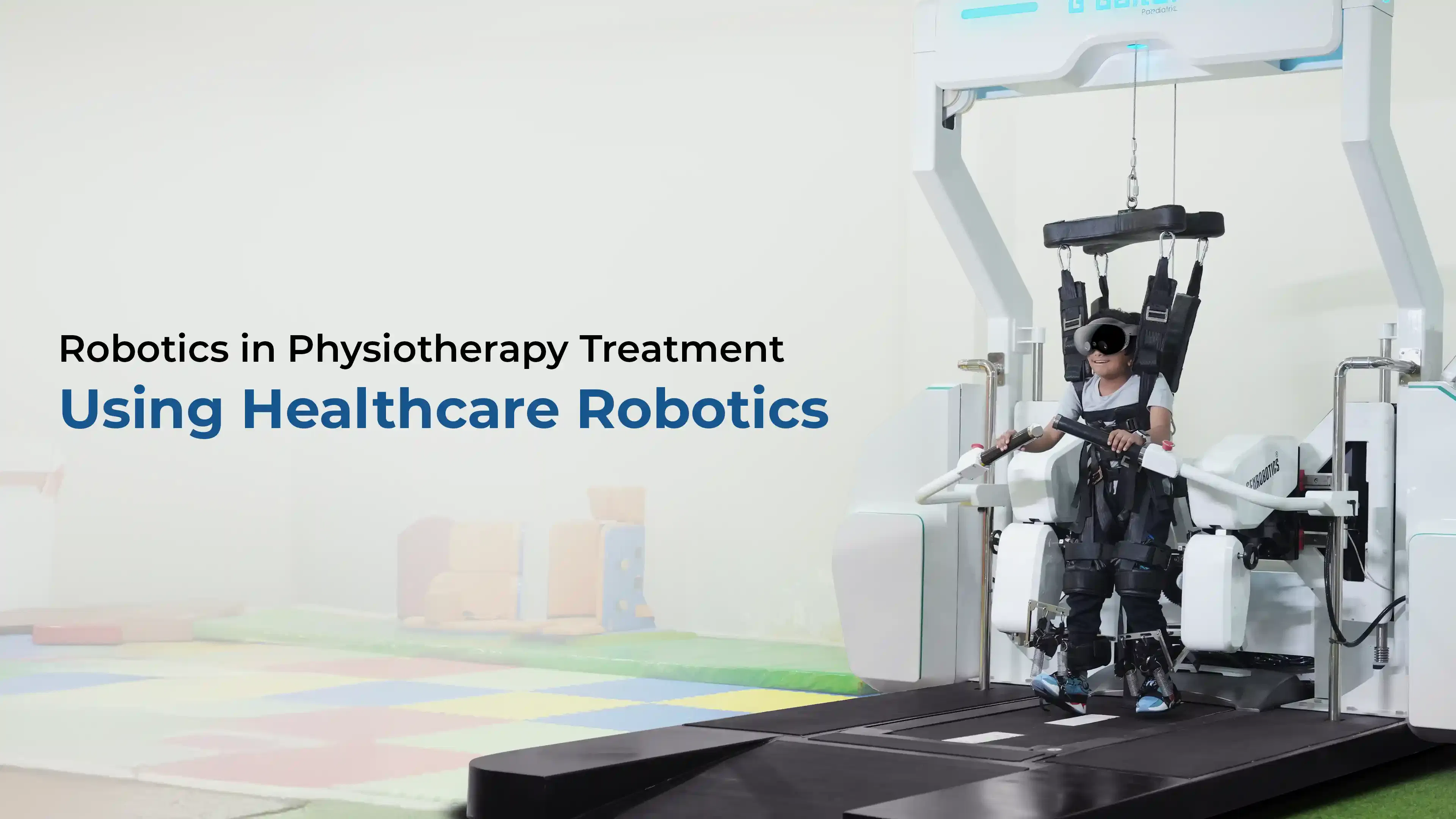
These systems help patients relearn walking and improve balance. They often include body weight support and guided stepping.
Upper Limb Rehabilitation
These systems assist with arm and hand movements, improving coordination and strength.
Functional Training Systems
Some systems focus on improving daily activities such as standing, sitting, and posture control.
Each system uses medical robotics to deliver targeted therapy based on patient needs.
What Are the Benefits of Robotic Rehabilitation?
Robotic rehabilitation offers several advantages over traditional methods.
Consistency and Precision
Every movement is controlled and repeatable, ensuring high quality therapy in every session.
Higher Therapy Intensity
Robotic systems reduce physical strain on therapists, allowing longer and more focused sessions.
Data Driven Progress Tracking
Therapists can monitor improvements in movement, strength, and coordination using measurable data.
Improved Patient Motivation
Interactive feedback and visible progress help patients stay engaged and committed to recovery.
Early Start to Therapy
Patients can begin rehabilitation sooner, even with limited mobility.
How Is Medical Robotics Transforming Rehabilitation?
Medical robotics is changing how rehabilitation is delivered by making therapy more precise, scalable, and efficient.
Robotic systems allow therapists to focus more on patient strategy and care while the machine handles repetitive movement. This improves overall therapy quality and reduces physical fatigue for healthcare professionals.
As a result, patients receive more consistent and intensive treatment.
What Is the Role of Neuro Rehabilitation Robotics in India?
Neuro rehabilitation robotics in India is rapidly growing as hospitals adopt advanced technologies to improve patient outcomes.
Healthcare providers are increasingly integrating robotic systems into rehabilitation programs to:
- Enhance recovery speed and effectiveness
- Provide standardized therapy protocols
- Improve accessibility to advanced care
This shift reflects a broader move toward technology driven healthcare solutions across the country.
Can Robotic Rehabilitation Replace Therapists?
No. Robotic rehabilitation does not replace therapists.
Robotic systems support therapists by handling repetitive tasks, but human expertise remains essential for:
- Assessing patient needs
- Designing treatment plans
- Providing emotional support
- Making real time clinical decisions
The best outcomes come from combining technology with human care.
Challenges and Accessibility
While robotic rehabilitation offers clear benefits, cost and accessibility remain important considerations.
These systems require investment and infrastructure. However, their long term value in improving recovery outcomes and reducing therapy duration is making them more widely adopted.
As technology advances, robotic rehabilitation is expected to become more accessible across India.
The Future of Robotic Rehabilitation
The future of robotic rehabilitation is driven by innovation in artificial intelligence, sensors, and personalized therapy.
Medical robotics is evolving to become more adaptive and patient specific, allowing customized treatment for better outcomes.
With continued advancements, robotic rehabilitation will play an even bigger role in shaping modern healthcare.
Conclusion
Robotic rehabilitation is redefining how patients recover movement and independence.
By combining medical robotics with clinical expertise, it delivers precise, consistent, and effective therapy. The growing adoption of neuro rehabilitation robotics in India highlights a shift toward smarter and more patient focused care.
For patients, this means faster recovery, better outcomes, and a clearer path toward regaining independence.
FAQ
What is robotic rehabilitation in simple terms?
Robotic rehabilitation is a therapy method that uses machines to help patients relearn movement through guided and repeated exercises.
How does medical robotics help in recovery?
Medical robotics improves recovery by providing consistent, precise, and high intensity therapy that supports brain and muscle retraining.
Is robotic rehabilitation effective after stroke?
Yes. It is highly effective for stroke recovery as it promotes neuroplasticity through repetitive and controlled movements.
Is robotic rehabilitation available in India?
Yes. Neuro rehabilitation robotics in India is growing rapidly, with many hospitals adopting advanced robotic systems.
Can robotic therapy fully replace physiotherapy?
No. It supports physiotherapy but cannot replace the expertise and emotional support provided by therapists.